Main Menu

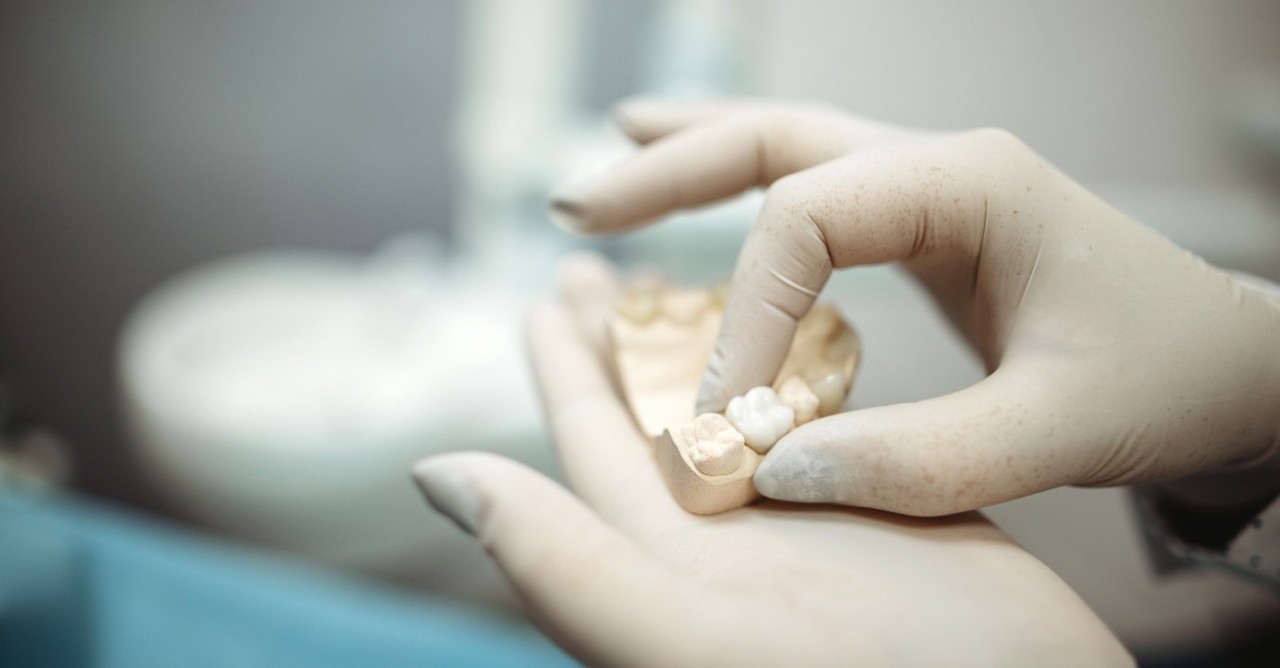
While losing or replacing a tooth is common for many reasons, from aging to decay or gum disease, it doesn’t have to affect your comfort, oral health or ability to eat. Today, there are several safe and effective options for replacing missing teeth, and understanding them can help you make informed choices for your mouth and overall well-being.
Missing teeth can make chewing difficult, increase the risk of further tooth loss and even affect the alignment of remaining teeth. Replacing teeth helps restore proper function, maintain oral health and protect your jawbone. It’s not just about appearance, healthy teeth support better nutrition and overall quality of life.
These are small titanium posts surgically placed into the jawbone. They act as a sturdy foundation for replacement teeth. Implants are durable, long-lasting and feel very much like natural teeth.
Pros:
Considerations:
Implants can be an excellent option for people missing one or more teeth who want a stable, long-term solution.
They use the teeth on either side of a gap as support for a replacement tooth or teeth. They are fixed in place and can restore normal function and appearance without surgery.
Pros:
Considerations:
Bridges are often a good choice for replacing one or a few missing teeth when nearby teeth are healthy.
These are are removable replacement teeth. They can replace a few teeth (partial dentures) or all teeth in the upper or lower jaw (full dentures). Modern dentures are designed for comfort and a natural fit.
Pros:
Considerations:
Dentures are often best for people missing multiple teeth or those looking for a more budget-friendly solution.
Choosing the right tooth replacement option depends on your oral health, jawbone condition, lifestyle and personal preferences. Your dentist can help you understand which treatment options may be appropriate for your needs. For information about costs and coverage, review your dental plan documents to see what services are covered and what your out-of-pocket expenses may be. Coverage can vary by plan, and some treatments may or may not be covered depending on your unique case.
Even after tooth replacement, maintaining good oral hygiene is essential. Brush and floss carefully, attend regular dental checkups and follow your dentist’s instructions for caring for implants, bridges or dentures. This helps protect the health of your remaining teeth and gums, supports your nutrition and boosts your overall health and well-being.