Main Menu

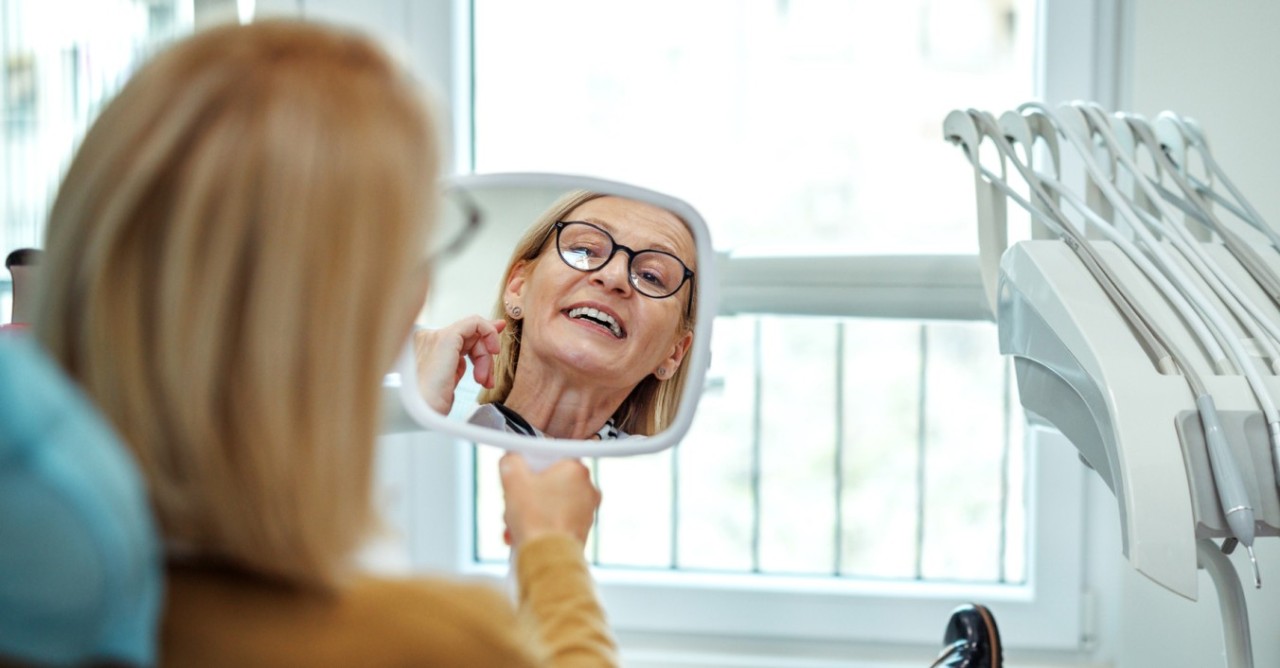
Your tooth enamel is the hard, outer layer of your teeth. It protects them from everyday wear, cavities and sensitivity. The enamel is the strongest substance in your body, but it can wear down over time, especially with age. Once the enamel is lost, it doesn’t grow back, which makes protecting it an important part of maintaining a healthy mouth.
A healthy enamel supports comfortable chewing, helps protect teeth from decay and plays a role in your oral health. When it becomes thin or worn, teeth may feel sensitive, appear darker or become more vulnerable to cavities and damage. These changes can affect eating habits and oral comfort, which may impact overall well-being.
Common factors that can contribute to enamel wear over time
Now that you’re aware of these risks, you can take steps to protect your teeth.
Your enamel cannot be replaced, but it can be strengthened and preserved with good daily habits:
Routine dental visits become increasingly important with age. A dentist can monitor enamel wear, identify early signs of concern and recommend preventive care to support long-term oral health. Professional cleanings also remove plaque that can weaken enamel over time.
Maintaining strong enamel helps support a healthy mouth, comfortable eating and good oral function, which contributes to overall well-being. If you’ve gone without dental coverage, it may be helpful to review available dental plan options that can support access to preventive care and routine dental visits.