Main Menu

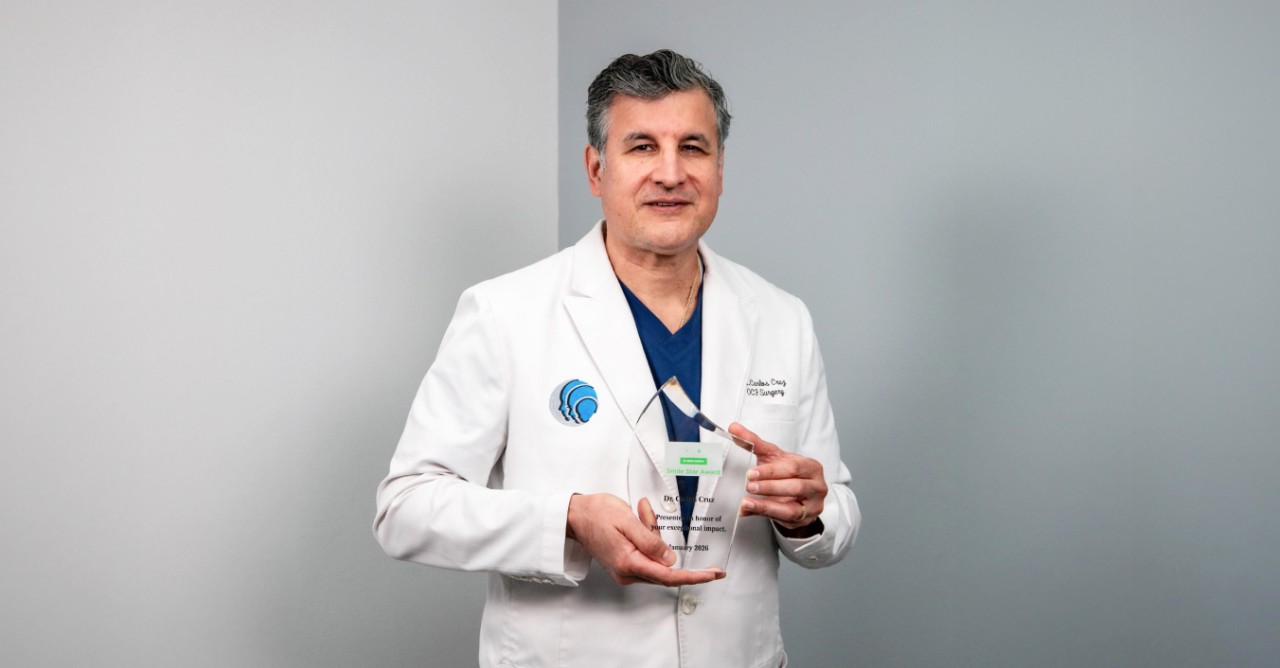
Each quarter we highlight dental professionals and office staff who have been nominated by their peers in recognition of their exceptional work for both their patients and their communities. We’re proud to announce our latest winner, Dr. Carlos Cruz.
Dr. Cruz’s practice is in southern Texas. We spoke with him recently about his life, career and commitment to community service.
I was born in Dallas. My dad was a heart surgeon. I was raised in Guatemala. Then, after that, we moved to the US and I did my training in oral and maxillofacial surgery at the University of Texas in Houston. I followed that up with a fellowship in cleft-craniofacial in Australia.
I’m married to my lovely wife and we have three children. I’ve worked here in the [Rio Grande] Valley for the last 30 years. It's been a great experience helping the community and working with our colleagues and the friends that we have made through the years.
I really wanted to be in the health field. Medicine was attractive in a way. But when I saw dentistry, I got very motivated about being in a field where I could interact with patients and help them. At a young age, I knew that would be a great reward for me and I don't regret it.
My dad always supported me as well as my mom. They were very happy that I had made that decision on my own. And here I am after more than 30 years.
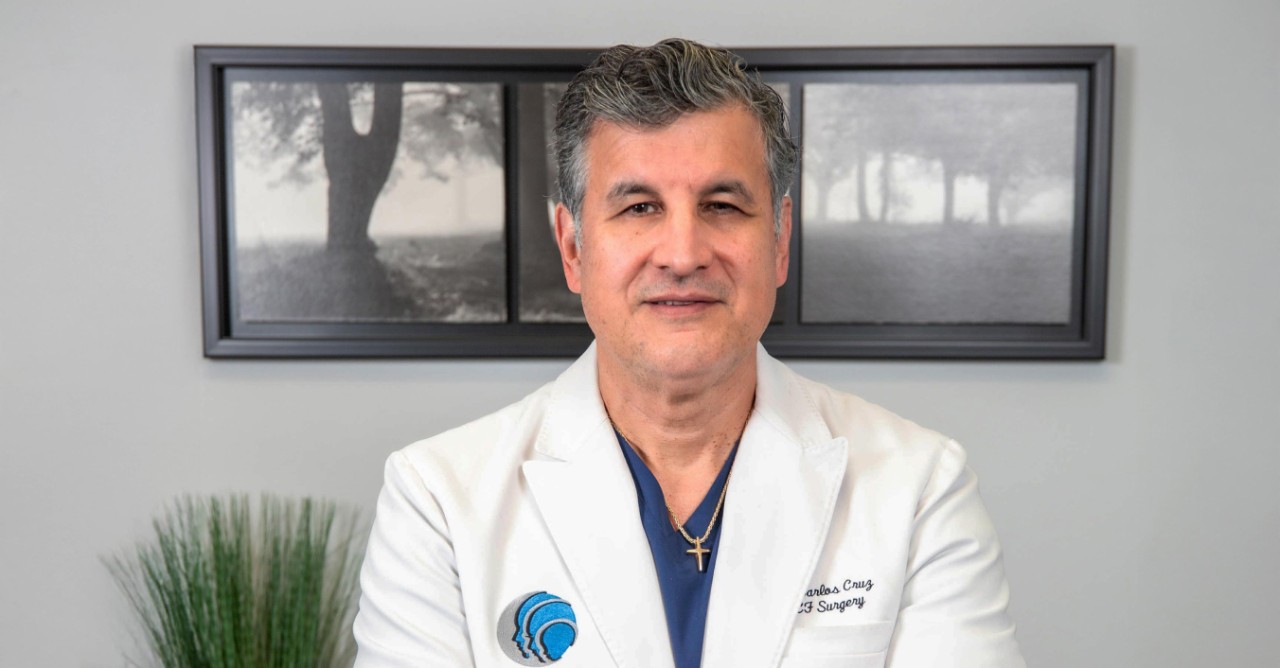
Sometimes we have emergencies that we have to treat early. We have to be patient from the moment that we start the day.
We operate in the mornings and we see consults in the afternoons. That means that in the morning we prepare our office. Front office and staff are prepared for procedures. With the capability to sedate patients, we can treat patients with minimal discomfort.
The procedures that we perform include anything from removing a tooth to putting a dental implant in to doing a biopsy. We do all of them within our practice.
The community has been always a passion of mine. I was the director for the cleft and craniofacial team at Harlan Valley Baptist 20 years ago. In that unit, I worked with patients born with facial deformities like cleft lip and palate. That’s something that I really enjoy doing. I enjoy working with colleagues. The physicians. The dentists. I still work with all the colleagues from that practice on cancer awareness. We see patients for head and neck evaluations for free, each year.
Recently I was working with the Texas Dental Association (TDA). Through them I was able to get involved with Texas Mission of Mercy, which has a mobile unit of 40 chairs that goes around to different cities in the state. I had a team, because you cannot do this without guidance. During that process, we were able to treat and evaluate more than 800 patients.
This is going to take place again in October, and we're working through that as we speak. We just had a meeting last night. And I'm trying to orchestrate and organize everything that needs to be involved. I will say this is one of the most beautiful experiences that I have had working in a group and with my community.
I just see good things for dentistry. It's a wonderful career. The students that I have been able to help or that I have met — they're extremely, extremely talented. There is ability for someone getting out of school to go down different avenues. Either you go solo practitioner, you go to a group or you go to a corporate practice. You have all those avenues. That's different than a few generations back.
We have very talented universities. They show students how to take care of the patients, which is the most important thing. They teach the basics and the science. But at the same time, they teach how to treat the human being, which is the most important thing that we do.
I spend time at home. I love to listen to music. I collect music. It's classical music. I do a lot of bicycling with my son every Saturday and Sunday. That's typically what we do. We go to the museum sometimes. Then, I come home, spend with time with my wife and we go to church.
Nowadays the beauty is that the students at school are taught by professors who have been in private practice or have been working in corporate companies or solo practices.
My recommendation to dental students is to make sure that they get some mentors they can talk to and learn from. You should also go out and see how practices are different, because not every practice will suit you.
As dentists, we cannot forget to be human. When a patient comes in, we need to first see them as a person, try to put ourselves in their shoes, listen to what their issues are and how we can help them.
When we have that type of communication, that's the most rewarding thing that can happen to us.
Thank you, Dr. Cruz, for taking the time for an interview and for all that you do for your patients and your community. Congratulations on being chosen as a Smile Star.
You can visit Dr. Cruz’s practice’s website for more information.
Do you know someone who should be a Smile Star? Email us at smileaward@delta.org with their contact information and the reason your nominee should win this award.