Main Menu


For millions of Americans, a trip to the dentist is more than a medical appointment. It’s a source of genuine fear and anxiety that can lead patients to postpone care and treatment, adding up to poor oral health outcomes.
According to new research commissioned by Delta Dental to better understand dental anxiety, this phenomenon has become one of the most significant barriers to oral health care, affecting more than half of U.S. adults. We’ve summarized our findings for providers here.
Dental anxiety is often characterized by feelings of uneasiness, worry or fear associated with dental visits and treatment. While most adults recognize the importance of oral health to their overall well-being, anxiety can prevent them from taking the necessary steps to maintain it.
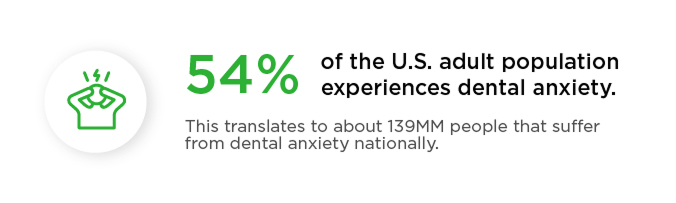
Delta Dental's research found that 54% of the U.S. adult population experiences some degree of dental anxiety, representing approximately 139 million people nationwide.
Dental anxiety does not simply affect appointment attendance. It can have a direct impact on oral health outcomes and the consequences can be substantial.
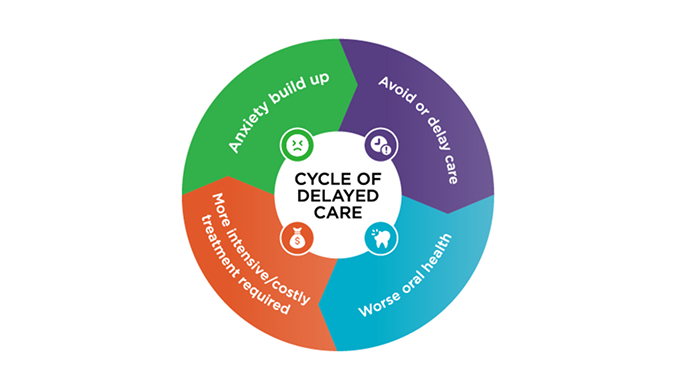
More than half of anxious patients report delaying or canceling dental care because of their anxiety, and over one-third say those delays negatively impacted their oral health. Many also report feeling even more anxious after postponing an appointment, creating a self-perpetuating cycle where fear leads to avoidance, and avoidance leads to worsening oral health conditions.
As patients postpone regular cleanings and necessary procedures, dental issues often become more severe. Cavities worsen, gum disease progresses and more extensive treatment may become necessary. As treatment complexity increases, so does patient apprehension, reinforcing the anxiety that led to the delay in the first place. This cycle often results in greater discomfort, higher costs and poorer oral health outcomes.
The research found that patients with higher levels of anxiety were less likely to be current on dental visits and more likely to report oral health concerns such as bleeding gums, missing teeth, untreated cavities and mouth pain.
One surprising finding from Delta Dental’s study is that anxiety often reaches its highest point before treatment even begins.
Among patients with dental anxiety, stress levels rise steadily in the days leading up to an appointment and peak while sitting in the dental chair waiting for treatment to start. Patients report experiencing greater anxiety during anticipation than during many actual procedures.
This suggests a valuable opportunity for dental providers to intervene before treatment begins. Communication in the hours and days leading up to a visit may help patients feel more comfortable and reduce anxiety before they arrive at the office.
Dental anxiety often begins early in life. According to the study, 53% of cases start before age 18. Childhood experiences such as painful procedures, negative interactions with providers or extensive dental work can leave lasting impressions that shape attitudes toward dental care for years to come.

For adults who develop dental anxiety later in life, common triggers include painful procedures, long gaps in care and experiencing unexpected out-of-pocket expenses.
Patients' fears tend to fall into several key categories:
Specific procedures such as tooth extractions, cavity fillings, injections and the possibility of an unexpected diagnosis are among the most anxiety-inducing experiences for patients.
Perhaps one of the most revealing findings is that many anxious patients feel their concerns are not being adequately addressed.
Nearly three-quarters of patients with dental anxiety believe providers could do more to help them feel at ease; only a minority report being offered strategies to manage anxiety during visits. At the same time, patients acknowledge their own role in the conversation. While most believe they should communicate their concerns to providers, relatively few have actually told their dentist they experience anxiety.

This disconnect creates a missed opportunity for meaningful dialogue and support. Patients may be suffering in silence, while providers remain unaware of the extent of their concerns.
Delta Dental’s research highlights a strong desire among patients for a different type of relationship with their dental provider.
Many individuals with dental anxiety want dentists to be more than clinical experts. They are looking for trusted partners who provide reassurance and guidance throughout the care experience.
78% of patients value a dentist who clearly explains what to expect during a treatment.
Trust plays a critical role. The study found that anxious patients are significantly more likely to report having lost trust in a dental provider at some point, underscoring the importance of empathy, transparency and communication in fostering positive experiences.
Dental anxiety is more than a personal challenge. It is a significant public health issue that affects care utilization, treatment outcomes and overall well-being. While anxiety may never disappear entirely for every patient, our research suggests that meaningful improvements are possible. It’s important to keep in mind, however, that our research also showed that, for all the patients whose anxiety improved, an equal amount saw their anxiety worsen; ongoing, purposeful intervention can shift this into a positive direction.
By recognizing anxiety early, encouraging open conversations and creating more supportive patient experiences, dental professionals can help break the cycle of fear and avoidance. In doing so, they can empower more patients to seek the care they need and achieve better long-term oral health outcomes.
For more information about dental anxiety, download the summary of Delta Dental’s study.