Main Menu

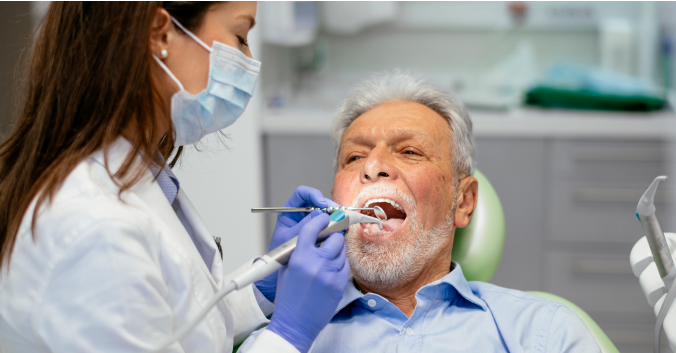
Aging doesn’t automatically mean losing teeth or experiencing poor oral health. However, older adults may face changes that make maintaining their oral health more challenging. For dentists, recognizing these changes and adapting how you communicate them can help older patients remain healthier and more independent.
Some oral changes become more common with age. Older adults may experience dry mouth (xerostomia), often related to medications or certain medical conditions. Reduced saliva can make eating and speaking uncomfortable while increasing the risk of tooth decay and oral infections.
Root decay is another concern. As gums recede, tooth roots may become exposed. Because root surfaces are less resistant to decay than enamel, exposed roots can be particularly vulnerable to cavities.
Older adults may also have increased risk for gum disease, tooth loss, oral infections and oral cancer. Changes in vision, dexterity, cognition, mobility or access to dental care can make brushing, flossing, managing dentures or keeping appointments more difficult.
Importantly, these challenges should not be framed as inevitable consequences of getting older. Prevention, early detection, appropriate treatment and practical support can make a substantial difference.
When discussing oral health with an aging patient, start with what matters to them. Rather than simply saying, “You need to brush better,” ask questions such as:
These questions can uncover barriers that are not apparent during an examination. They also position the patient as a partner in developing a realistic care plan.
For patients managing multiple medications, providers can explain the potential connection between medications and dry mouth without suggesting that patients stop or change prescribed treatments. When appropriate, encourage them to discuss medication-related concerns with their physician or pharmacist.
Effective communication with older adults often means making health information easier to see, understand, remember and use.
Use plain language, large and readable type, and short sections. Demonstrate techniques rather than relying entirely on verbal instructions. For patients with hearing, vision, memory or dexterity challenges, consider involving a caregiver or support person with the patient's permission.
Printed worksheets can be especially useful beyond the dental office. A one-page handout might include questions about dry mouth, brushing and denture care, warning signs that warrant professional attention and space for patients to write down questions for their next visit.
These materials can also support community messaging in senior centers, libraries, assisted-living communities, health fairs and other settings where people may not have immediate access to a dental professional.
Providers do not have to create every educational resource from scratch. Explore these helpful materials and share them with patients.
Good oral health care for older adults involves more than identifying disease. It means understanding how aging, medications, physical abilities, social circumstances and access to care can affect daily oral hygiene and then adapting education accordingly.
A conversation that’s clear, respectful and focused on the patient's goals can turn general advice into practical action. Whether that means demonstrating a new brushing technique, providing a large-print worksheet, involving a caregiver or connecting a patient with community resources, providers can help older adults maintain oral health as an important part of healthy aging.